Container Gardening
How to Choose Containers for Herbs and Small Vegetables
Choose containers for herbs and small vegetables by matching drainage, depth, width, material, cleanliness, and space to the crop.
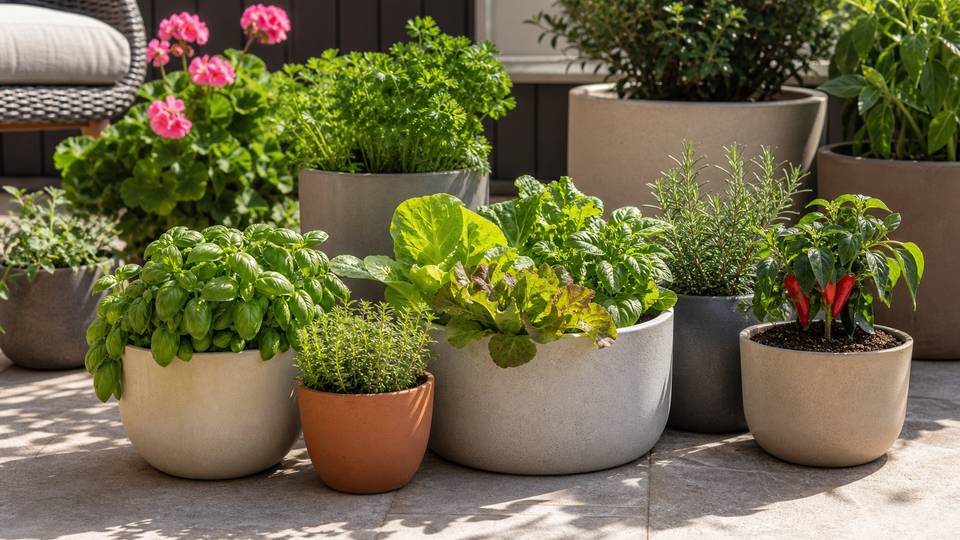
The best container for herbs and small vegetables is not always the cutest pot. It is the pot that gives the plant enough root space, lets extra water leave, fits the location, and is clean enough for edible growing.
For beginners, container choice is mostly about avoiding three problems: trapped water, too little root room, and containers that are awkward to manage once they are full of wet potting mix.
Quick Answer
Choose containers for herbs and small vegetables with drainage holes, enough depth and width for the crop, clean materials, stable bases, and room for watering. Use potting mix meant for containers, avoid containers that held unsafe materials, and choose sizes you can lift or manage in your space.
Start With Drainage
Drainage holes are the first requirement. Herbs and vegetables need moisture, but roots also need air. A sealed container makes it easy to keep the bottom of the pot too wet.
Virginia Cooperative Extension’s container vegetable guidance emphasizes containers with drainage and enough space for the crop. That advice is especially useful for small-space growers because every mistake shows up faster in a pot than in a garden bed.
If a container has no drainage, use it as an outer cachepot only, or drill holes if the material and lease rules allow. For renters, drilling outdoor containers may be fine; drilling building surfaces is a different issue.
Match Depth to the Crop
Different edible plants use different root space. A shallow herb pot and a tomato container are not interchangeable.
| Plant Type | Container Direction |
|---|---|
| Chives, parsley, cilantro | Moderate-depth pots with steady moisture |
| Thyme, oregano | Moderate pots with excellent drainage |
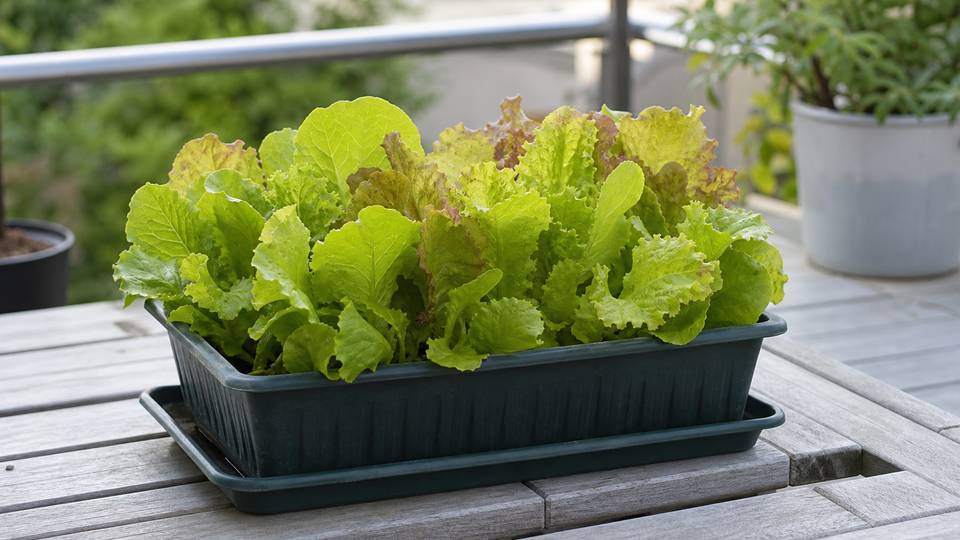
| Lettuce and many greens | Wider containers can be more useful than very deep pots |
| Peppers or compact tomatoes | Larger, deeper containers with strong support |
| Root crops | Depth must match the edible root, not just the foliage |
Check the seed packet, plant tag, or local extension guidance for the crop. Do not assume “small plant” always means “tiny pot.”
Width Matters Too
Depth gets attention, but width affects water, roots, and airflow. A narrow pot can dry quickly and tip easily. A wider container gives leafy greens more surface area and can hold moisture more evenly.
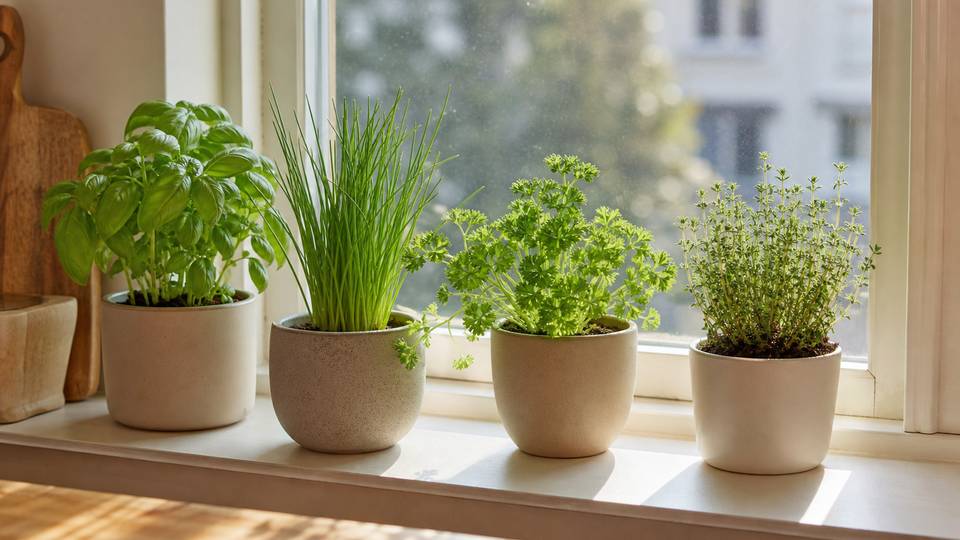
For herbs, separate pots are often easier than mixed planters. Basil, thyme, mint, parsley, and chives may not want identical watering. Mint can also crowd its neighbors.
If you use a mixed container, group plants with similar needs and leave enough space for harvest and airflow.
Choose a Material You Can Manage
Container material changes weight, drying speed, and durability.
| Material | Useful For | Watch For |
|---|---|---|
| Plastic | Lightweight, affordable, slower drying | Can tip if too light outdoors |
| Terracotta | Breathable, classic, good for some herbs | Dries faster and can be heavy or breakable |
| Fabric grow bags | Airy roots, useful outdoors | Drying can be fast in wind or heat |
| Ceramic | Stable and attractive | Heavy when filled, may lack drainage |
| Wood | Larger outdoor planters | Rot, weight, and material treatment questions |
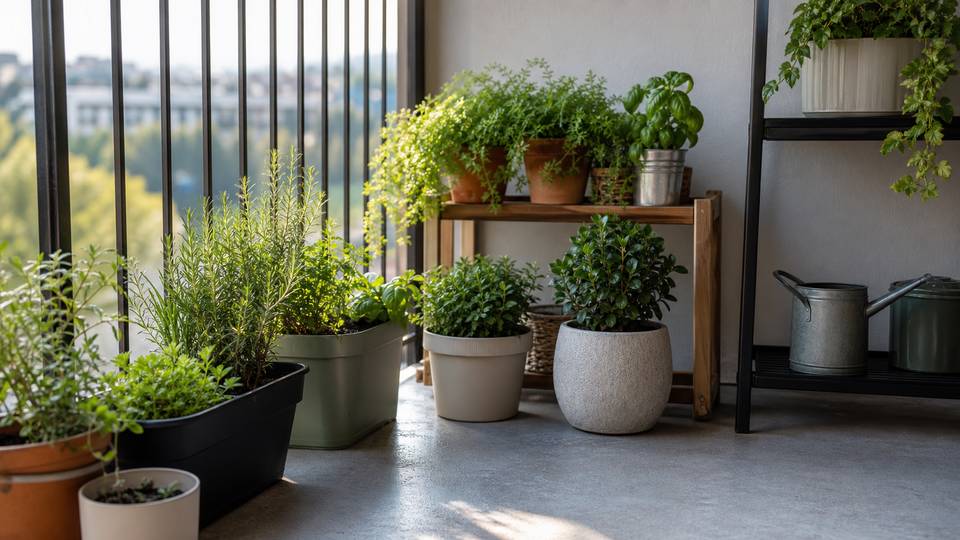
For balconies, remember that wet potting mix is heavy. Choose containers you can move when needed, and keep very heavy setups within building and lease limits.
Use Clean Containers for Edible Plants
Edible plants deserve more caution than decorative houseplants. Do not grow herbs or vegetables in containers that held chemicals, paint, solvents, automotive products, pesticides, or unknown materials.
Wash reused pots before planting. If a container is cracked, flaking, rusty, or impossible to clean, choose something else.
Avoid guessing about materials. If you cannot identify what a container is made from or what it held before, do not use it for edible crops.
Plan for Water and Surfaces
Containers with drainage need somewhere for runoff to go. Indoors, that means saucers or trays. On balconies, it means controlling water so it does not drip onto neighbors, stain surfaces, or violate building rules.
Water slowly. Let extra water drain. Empty saucers when needed. If the container is outdoors, make sure the drainage path stays inside your own gardening area.
UNH Extension notes that containers make growing possible in small spaces such as balconies and porches, but pot choice and care still matter. Small-space does not mean no-maintenance.
Avoid These Beginner Container Mistakes
Do not choose a container only because it matches the room. A beautiful pot with no drainage can make watering harder.
Do not start edible plants in tiny novelty pots and expect steady harvests. Small pots dry quickly and give roots little room.
Do not place tall plants in narrow lightweight containers on windy balconies. Stability is part of plant care.
Do not use garden soil in containers unless a trusted local source specifically recommends a mix for that use. Container plants usually need a potting mix that drains and holds air better than dense outdoor soil.
A Simple First Container Set
For a beginner herb and small vegetable setup, start with:
- One medium pot for basil or parsley
- One separate pot for thyme, oregano, or chives
- One wider container for lettuce or greens if you have enough light
- Saucers or trays for indoor use
- A stable low placement outdoors if wind is likely
Learn how those containers dry before adding more. Good container gardening is easier when the setup teaches you what the plants need.
Sources and Further Help
For additional guidance on edible container gardening, see:
- Virginia Cooperative Extension: Vegetable Gardening in Containers
- Penn State Extension: Container Vegetable Gardening - Four Keys to Success
- UNH Extension: Tips for Small Space Gardening - Pots and Other Containers
Quick Questions
Do herb and vegetable containers need drainage holes?
Yes, drainage holes are strongly recommended because edible container plants can struggle when roots sit in trapped water.
How deep should a container be for herbs?
Many herbs can grow in moderate-depth pots, but the exact depth depends on the herb. Larger or longer-lived herbs need more root space.
Can I reuse old buckets or bins for vegetables?
Only use clean containers that did not hold chemicals, paint, solvents, or unknown materials. Add drainage and confirm the material is suitable for planting.