Container Gardening
How to Start a Small Balcony Garden as a Renter
Start a renter-friendly balcony garden with practical checks for sunlight, containers, drainage, wind, weight, lease rules, and easy plants.
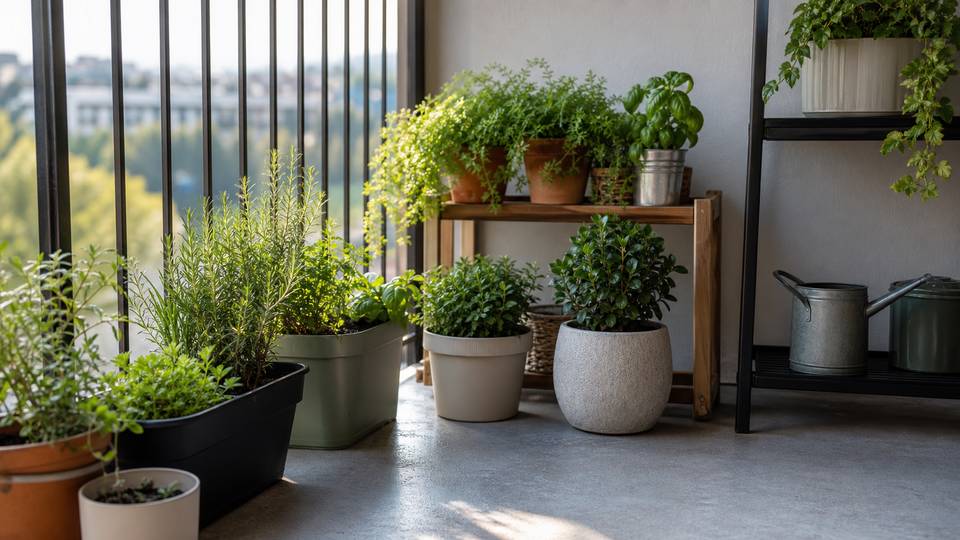
A balcony garden can start with three pots. It does not need a built-in planter, a full herb wall, or a weekend of buying supplies. For renters, the best first garden is small enough to move, clean, water, and explain to a landlord if needed.
The right setup depends on the balcony rules, sunlight, wind, drainage, and how much attention you can give the plants during hot weeks.
Quick Answer
Start a renter-friendly balcony garden by checking lease and building rules, watching how much sun the balcony gets, choosing lightweight containers with drainage, protecting surfaces from water, and beginning with a few easy plants. Avoid drilling, overloading the space, blocking exits, or placing pots where wind can knock them over.
Check Rules Before Buying Plants
Before planning the pretty part, check the boring part. Renters may have rules about railings, hanging planters, drainage, visible changes, floor protection, or what can be stored outside.
Look for rules about:
- Drilling or attaching items to walls, railings, or ceilings
- Hanging planters over the outside edge
- Water draining onto neighbors below
- Keeping walkways and exits clear
- Weight or storage limits
- Soil, compost, or pest issues
If the rule is unclear, choose freestanding containers that stay inside your balcony and can be moved without damage.
Learn Your Balcony Light
A plant tag may say “full sun,” but your balcony may only get two hours of direct morning light. Watch the space for a few days before buying plants.
UNH Extension points out that container gardens can work on balconies, porches, stoops, and other small spaces, but container size, growing media, and light still decide what will grow well.
Use this simple light check:
| Balcony Light | What It Means for Beginners |
|---|---|
| Bright shade, little direct sun | Try shade-tolerant foliage or herbs that tolerate less sun, but expect slower growth |
| Morning sun | Often gentler than afternoon sun and useful for many container plants |
| Hot afternoon sun | Can dry small pots quickly and stress tender plants |
| Windy exposed light | Plants may dry out faster even if temperatures are mild |
Do not expect vegetables, herbs, and flowering plants to perform the same way in every balcony. Light is the main budget.
Start With a Small Container Group
Choose two or three containers before building a full garden. This lets you learn how fast the pots dry, how water drains, and whether wind is a problem.
A good first setup might include:
- One herb pot near the door
- One compact flowering plant
- One larger container for a tomato, pepper, greens, or another plant suited to your light and season
Leave room to walk, open the door, and move plants for cleaning. A balcony garden that blocks the space becomes frustrating quickly.
Choose Containers That Behave Well
Containers need drainage, but renters also need water control. A pot with drainage holes should sit on a saucer, tray, or surface protector so water does not stain flooring or drip below.
Look for:
- Drainage holes
- A saucer or tray
- A stable base
- A size that fits the mature plant
- Material you can lift when watered
- No sharp edges or unstable stands
Avoid tiny pots for thirsty plants on hot balconies. They may look neat on day one and dry out too fast by week two.
Plan for Wind and Weight
Balconies can be windier than ground-level patios. Tall plants, narrow pots, lightweight plastic containers, and top-heavy stands can tip.
Keep heavier pots low. Place taller plants where they are protected. Do not hang containers outside a railing unless the building clearly allows it and the hardware is designed for that use.
Weight also matters. Wet soil is heavier than dry soil. Large ceramic pots, raised beds, and water-filled reservoirs can add up. If you are unsure what the balcony can handle, stay with smaller movable containers and ask the property manager before expanding.
Water Without Annoying the Building
Balcony watering should stay controlled. Water slowly, stop when the pot drains, and empty trays before they overflow.
In hot weather, containers may need checking more often, especially in afternoon sun or wind. That does not mean every pot needs the same amount of water. Check the soil, the plant, and the pot weight.
If water regularly runs across the balcony, drips below, or carries potting mix with it, adjust the setup before adding more plants.
Common Renter Balcony Mistakes
The first mistake is buying too many plants before understanding the space. A crowded balcony is harder to water, clean, and protect from wind.
The second mistake is treating drainage as someone else’s problem. Water can stain surfaces, bother neighbors, or create rule issues.
The third mistake is attaching planters or hooks without permission. A garden should not put your deposit at risk.
When to Pause or Scale Back
Pause before expanding if pots are tipping, water is draining where it should not, plants are drying out faster than you can manage, pests are spreading, or the balcony no longer feels usable.
Scale back to a few healthy containers. A small balcony garden that fits your rental is better than a crowded one that creates stress.
Sources and Further Help
For additional guidance on small-space and container gardening, see:
- UNH Extension: Tips for Small Space Gardening - Pots and Other Containers
- Penn State Extension: Container Vegetable Gardening - Four Keys to Success
- Virginia Cooperative Extension: Vegetable Gardening in Containers
Quick Questions
Can renters start a balcony garden without drilling?
Often yes. Use freestanding containers, plant stands, or lightweight shelves that do not attach to the building, but check lease and building rules first.
What should beginners grow first on a balcony?
Start with a few containers of herbs, compact flowers, or one easy edible crop that matches your sunlight and local season.
What is the biggest balcony gardening mistake?
Starting too large is common. Too many pots can create watering, drainage, weight, wind, and cleanup problems.