Indoor Plant Care
Are Common Houseplants Safe Around Pets?
Choose indoor plants more cautiously around cats and dogs by checking plant names, toxicity sources, placement, chewing habits, and vet guidance.
Common houseplants are not automatically safe around pets. A plant can be popular, easy to grow, and still be a poor choice for a home with a cat or dog that chews leaves. Another plant may be listed as non-toxic but still cause stomach upset if a pet eats enough of it.
The safest beginner habit is simple: identify the plant, check a reputable pet-toxicity source, and place plants as if curiosity is normal.
Quick Answer
Some common houseplants are toxic or irritating to cats and dogs, and others are lower concern but still not meant for chewing. Do not rely on a store display, nickname, or social media list. Check each plant by its exact name using a reputable pet-toxicity source, keep plants away from pets that chew, and contact a veterinarian or pet poison-control resource if ingestion happens.
Start With the Exact Plant Name
Plant names can be messy. A common name may refer to more than one plant, and a plant tag may use a nickname instead of a botanical name. That matters when pets are involved.
Before bringing a plant home, try to get:
- Common name
- Botanical name if available
- Clear photo of the plant and tag
- Whether the plant was treated with any product
If the plant cannot be identified with reasonable confidence, treat it as an unknown and keep it away from pets until a reliable plant or veterinary toxicity source can confirm more.
Do Not Trust “Pet-Friendly” as a Shortcut
“Pet-friendly” can mean different things in a shop, blog post, or plant label. It may mean the plant is commonly listed as non-toxic. It may also be a loose marketing phrase.
The ASPCA plant database notes that its toxic and non-toxic plant list is not all-inclusive and that plant material can still cause vomiting or gastrointestinal upset in cats and dogs. That is why “non-toxic” should not be treated as permission for chewing.
For a pet household, use a stricter check:
| Question | Why It Matters |
|---|---|
| Is the plant listed by exact name in a reputable toxicity source? | Nicknames can be confusing |
| Does the source separate cats, dogs, and other animals? | Toxicity can vary by animal |
| Is the plant treated with pesticide, leaf shine, or fertilizer? | Products add another concern |
| Does your pet chew plants? | Placement matters more for curious pets |
| Can the pot tip, spill soil, or break? | Safety is not only toxicity |
If the answer is unclear, choose a different plant or keep it out of reach.
Non-Toxic Does Not Mean Snack
A plant listed as non-toxic is still not pet food. Leaves, stems, potting mix, bark, fertilizer, and pest-treatment residues can all create problems. Some pets also chew plants, vomit, return to the same plant, and repeat the cycle.
For homes with pets, place even lower-concern plants thoughtfully:
- Use stable pots
- Keep plants away from favorite jumping paths
- Avoid dangling leaves that invite play
- Skip loose decorative stones that can be swallowed
- Keep fertilizer and plant-care products stored away
- Remove fallen leaves promptly
The goal is not to prove a plant can be chewed. The goal is to reduce chances that chewing happens.
Be Extra Careful With Cats
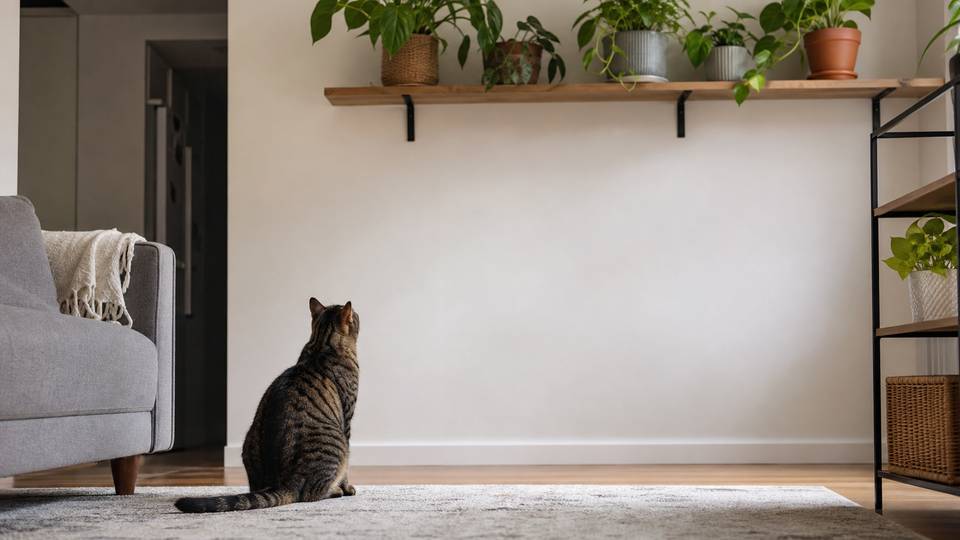
Cats climb, jump, and investigate high places, so “out of reach” needs a reality check. A high shelf may work for one cat and fail completely for another.
Watch your pet’s actual behavior. If the cat reaches the shelf, bats at trailing vines, or digs in potting mix, the placement is not working. Try a closed room, a hanging spot that is allowed and secure, or choose not to keep that plant.
Some plants are a special concern for cats and should be checked carefully before they enter the home. Do not bring home a plant you cannot identify and assume it is harmless.
If a Pet Eats a Plant
Do not try to diagnose the risk from memory. Move the plant away, take a clear photo, save the plant tag if you have it, and note about how much may have been eaten and when.
Contact a veterinarian or reputable pet poison-control resource if the plant is known to be toxic, the plant is unknown, the pet shows symptoms, or you are unsure. This article cannot decide whether a specific pet needs care.
Do not wait for a blog article to reassure you if your pet seems unwell.
Better Buying Habits for Pet Homes
Before buying, check the plant name. After buying, quarantine the plant away from pets while you inspect it for pests, loose soil, damaged leaves, and confusing tags.
Avoid impulse plants from unlabeled displays. Avoid plants with dramatic trailing leaves if your pet likes to play with moving things. Avoid placing plants near pet beds, food bowls, scratching posts, or windowsills your pet uses.
If you want a plant-filled room and have a persistent chewer, design the room around barriers first and plants second.
Common Mistakes
The first mistake is assuming “common” means “safe.” Many common plants still need a pet-toxicity check.
The second mistake is relying on one nickname. Look up the exact plant, and when possible, confirm the botanical name.
The third mistake is forgetting plant-care products. A plant may be lower concern, but fertilizer, pesticide, leaf shine, or treated soil can change the risk picture.
The fourth mistake is placing a plant once and never watching what the pet does. Placement is a test. Curious pets will show you whether the setup works.
When to Skip the Plant
Skip or rehome a plant if you cannot identify it, your pet keeps chewing it, the plant is listed as toxic for your animal, the pot cannot be placed securely, or you do not have a safe room or shelf for it.
A home can be green without making every plant available to every pet. Caution is part of caring for both.
Sources and Further Help
For additional guidance on plants and pet toxicity, see:
Quick Questions
Are all common houseplants safe for cats and dogs?
No. Some common houseplants are toxic or irritating to pets, and plant names can be confusing. Check each plant by its exact name.
Does non-toxic mean a pet can chew the plant?
No. Even plants listed as non-toxic can upset a pet's stomach or create choking, mess, or pesticide-residue concerns.
What should I do if my pet eats a plant?
Move the plant away, save the plant name or a photo, and contact a veterinarian or pet poison-control resource promptly if you are concerned.