Indoor Plant Care
Why Houseplant Leaves Turn Yellow
Yellow houseplant leaves can come from water, light, age, pests, fertilizer, drafts, or several issues at once. Learn what to check first.
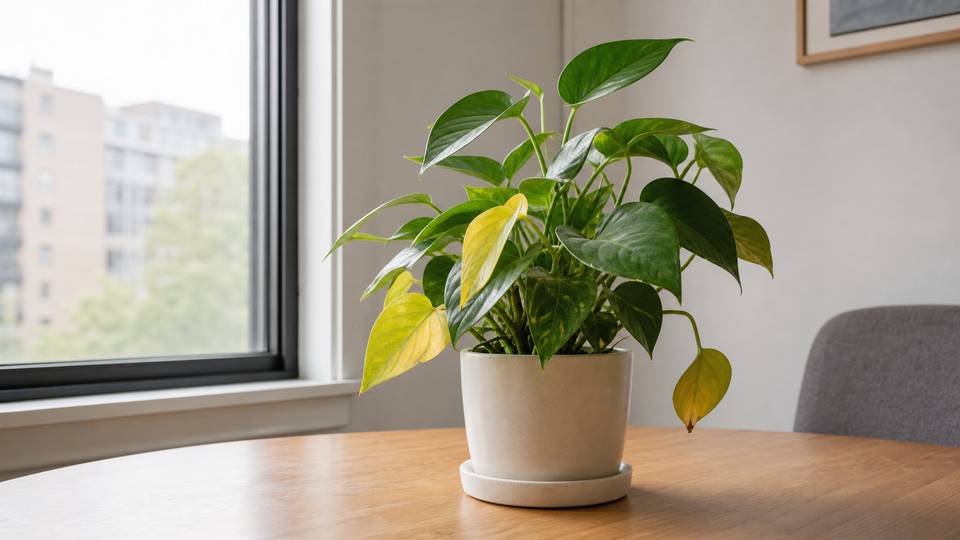
Yellow leaves are common on indoor plants, but they do not point to one automatic fix. A leaf may be aging out, the pot may be staying too wet, the plant may be short on usable light, or several small stresses may be happening at the same time.
Care needs vary widely by species. A succulent, fern, pothos, monstera, and dracaena can react differently to the same room, so identify the plant before making major changes.
Before you water, fertilize, repot, or move the plant, slow down and check the basics. Where the yellowing appears, how fast it spreads, and what the potting mix feels like all matter.
Quick Answer
Houseplant leaves can turn yellow from overwatering, underwatering, low light, too much direct sun, normal aging, pests, fertilizer problems, cold drafts, hot vents, or recent changes in location. Identify the plant, check moisture below the surface when practical, and look at drainage, light, temperature, pests, and which leaves are yellowing before deciding what to do.
Start With the Pattern
Look at the whole plant before removing leaves or changing care. A single yellow lower leaf is different from a plant dropping several soft yellow leaves at once.
Ask:
- Is it one older leaf or many leaves?
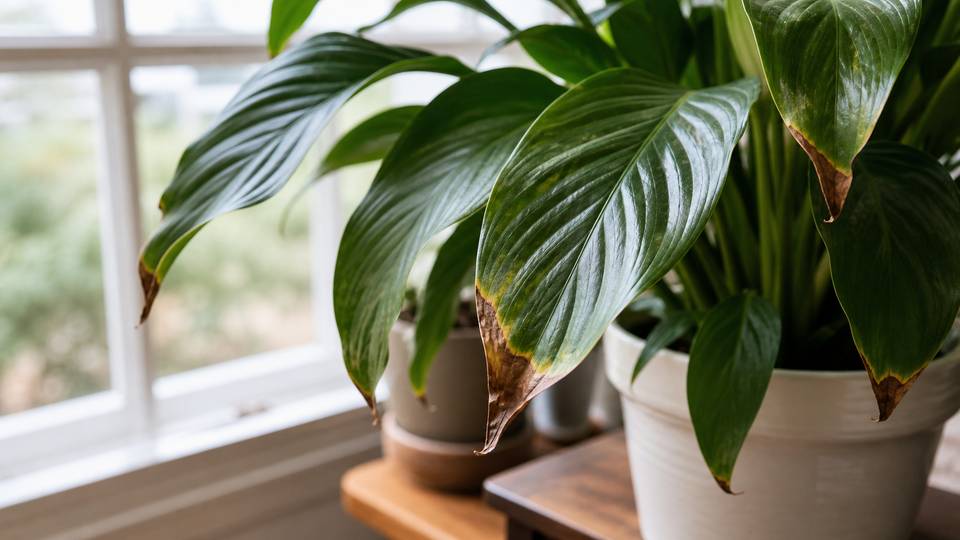
- Are the yellow leaves soft, limp, crispy, spotted, or sticky?
- Is the potting mix persistently wet, dry, compacted, poorly drained, or giving off an unusual decaying odor?
- Did the plant move recently?
- Is it near a draft, heat vent, or cold window?
- Are there signs of insects, webbing, or sticky residue?
These questions help you avoid the most common beginner mistake: treating every yellow leaf as a watering problem.
Leaf position can also help you decide what to check first:
| Yellowing Pattern | What to Check First |
|---|---|
| One oldest lower leaf | Normal aging is possible if the rest of the plant looks steady |
| Several lower leaves over time | Check watering, drainage, light level, and root stress |
| New leaves yellowing first | Identify the plant and look for a more specific light, nutrient, root, or pest issue |
| Spots, sticky residue, webbing, or silvery damage | Inspect closely for pests or disease signs before changing care |
These patterns are clues, not final diagnoses.
Check Water and Drainage First
Watering is often the first place to check because both too much and too little water can cause stress.
If the potting mix is wet and the leaves are yellow, soft, or dropping, the plant may be staying too damp. Check whether the pot has drainage holes, whether water is trapped in a saucer or cachepot, and whether the mix stays wet for many days.
If the potting mix is dry, pulling away from the pot edges, and leaves are drooping or crisping, the plant may have dried too far. Water slowly and let the mix absorb moisture instead of dumping water through the pot all at once.
Illinois Extension notes that yellowing can follow overwatering or a recent change in location, which is one reason to check conditions before adding fertilizer or another treatment.
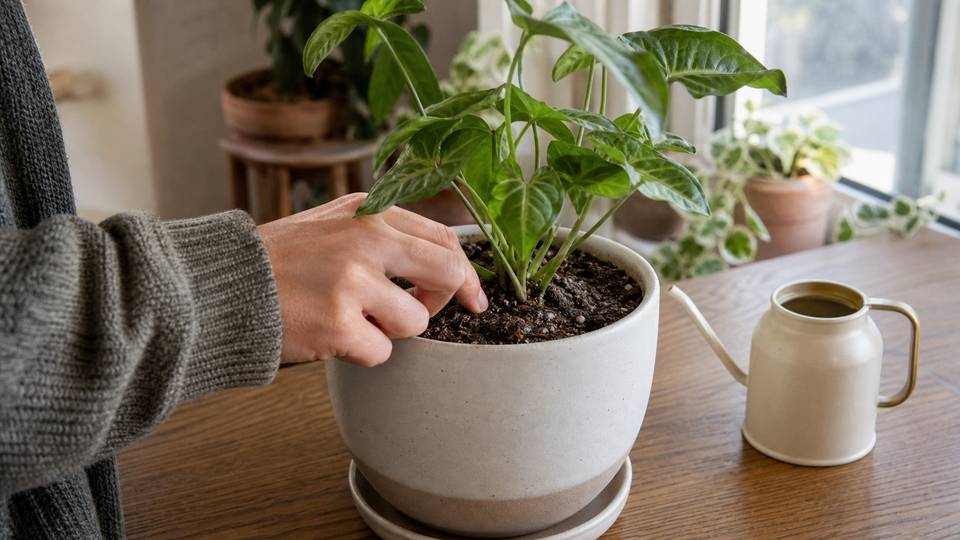
Do not guess from the leaf color alone. Check moisture below the surface when practical, consider the pot’s weight, and compare what you find with that plant’s normal watering needs.
Think About Light Changes
Indoor light changes more than people notice. A plant may look fine in summer and struggle in winter. A plant moved from a bright nursery to a dim apartment corner may drop older leaves while adjusting. A plant pushed against a hot sunny window may yellow or scorch.
Use practical room checks:
| Situation | Possible Issue | Next Step |
|---|---|---|
| Plant is far from any window | Too little usable light | Move closer gradually if the plant suits brighter light |
| Plant is pressed against hot glass | Heat or direct sun stress | Pull it back slightly or filter harsh sun |
| Plant was moved recently | Adjustment stress | Keep care steady and watch new growth |
| One side yellows more | Uneven light or draft | Rotate gently and check the nearby air |
Move plants gradually when changing light. A sudden jump from dim light to strong direct sun can create a new problem.
Normal Aging Can Look Alarming
Plants shed older leaves. If one lower leaf turns yellow while the rest of the plant is firm and growing, it may be normal aging.
This is more likely when:
- The yellow leaf is one of the oldest leaves
- New growth looks healthy
- Soil moisture is reasonable
- There are no pests, soft stems, or widespread spots
You can remove a fully yellow leaf with clean scissors if it bothers you. Do not strip several leaves just because they look imperfect.
Check for Pests Without Panicking
Some pests can cause yellowing, speckling, curling, sticky residue, or weak growth. Look under leaves, along stems, and near new growth. Use a bright light if needed.
Signs worth checking include:
- Fine webbing
- Sticky leaves or surfaces
- Small bumps on stems
- Tiny moving insects
- Speckled or silvery leaf patches
Do not jump straight to a pesticide. Isolate the plant from nearby plants, identify the issue as carefully as possible, and follow reputable guidance or product labels if treatment is needed.
Check Fertilizer After the Basics
Beginners often reach for fertilizer when leaves turn yellow. Sometimes nutrition is part of the picture, but fertilizer can also stress a plant if the roots are already struggling, the potting mix is dry, or the plant is not in active growth.
Before fertilizing, check water, light, drainage, season, and whether the plant has been recently repotted. If you use fertilizer, follow the product label rather than an online shortcut.
Common Mistakes
One mistake is changing everything at once: watering more, moving the plant, repotting, and fertilizing in the same week. If the plant declines further, you will not know which change helped or hurt.
Another mistake is assuming yellow means dead. The yellow leaf may be done, but the plant may still recover through healthier new growth.
A third mistake is keeping a struggling plant pressed between a cold window and a heat vent. Indoor plants often react to the room around them, not just the water in the pot.
When to Ask for Help
Ask a local nursery, cooperative extension, or plant clinic for help if yellowing spreads quickly, stems become soft, the potting mix stays wet despite careful watering, there is an unusual decaying odor along with other warning signs, pests appear on multiple plants, or you cannot identify the plant. Bring clear photos of the whole plant, the pot, the soil surface, the underside of leaves, and the room location.
Try to change one likely cause at a time when the plant is stable enough to watch. That gives you a better chance of learning what helped instead of creating a new problem.
Sources and Further Help
For additional guidance on houseplant stress, pests, and disease, see:
- Illinois Extension: Keep houseplants happy with simple solutions
- Illinois Extension: Houseplant pests and how to manage them
- Penn State Extension: Pest and disease problems of indoor plants
Quick Questions
Does one yellow leaf mean my plant is dying?
Not always. One older yellow leaf can be normal, but repeated yellowing or soft stems means you should check water, light, drainage, pests, and temperature.
Should I water a plant when the leaves turn yellow?
Check the soil first. Yellowing can happen with too much water or too little water, so watering without checking can make things worse.
Can yellow leaves turn green again?
A fully yellow leaf usually will not turn green again. The useful goal is to correct the cause so new growth is healthier.