Indoor Plant Care
Beginner Guide to Humidity for Indoor Plants
Understand indoor plant humidity without overcomplicating it, including dry rooms, misting limits, pebble trays, grouping, and airflow.
Humidity advice can make indoor plant care sound more complicated than it needs to be. Some plants struggle in dry winter air. Some tolerate ordinary room conditions. Some problems blamed on humidity are really watering, light, heat, or drafts.
For beginners, the useful question is not “What is the perfect humidity?” It is “Does this plant show dry-room stress, and can I improve the spot without creating damp, stagnant conditions?”
Quick Answer
Humidity is the amount of moisture in the air. Some indoor plants prefer more humidity than a typical heated or air-conditioned room provides, but not every plant needs a humidifier. Start by identifying the plant, moving it away from vents, grouping compatible plants, checking watering, and improving airflow. Use misting carefully because its effect is usually brief.
Know the Difference Between Soil Moisture and Air Moisture
Watering the pot and humidifying the air are not the same job.
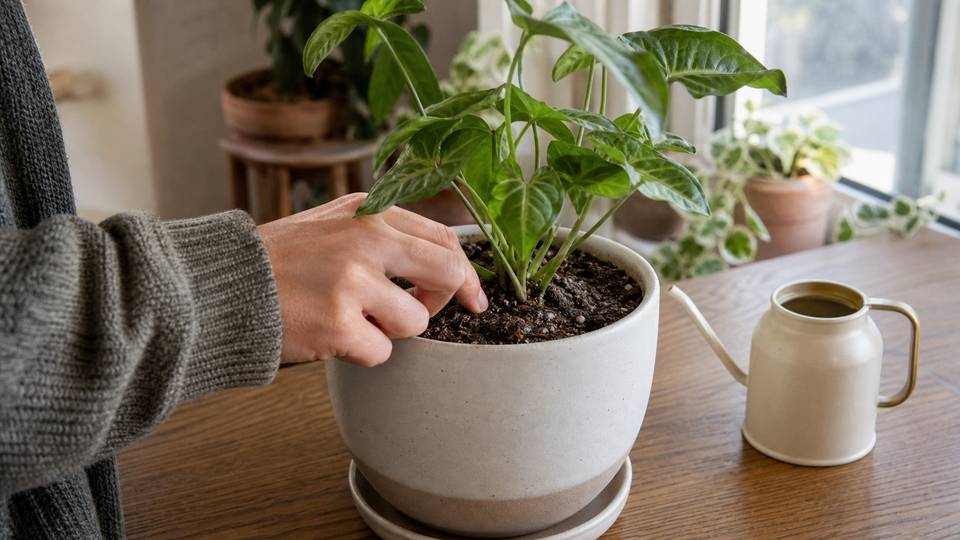
Soil moisture affects the roots. Humidity affects the air around leaves. A plant can have wet soil and still sit in dry air. It can also sit in humid air while the potting mix stays too dry or too wet.
This matters because adding more water to the pot will not fix every crispy leaf tip. It can also make root problems worse if the potting mix is already damp.
Common Signs to Check
Dry indoor air may contribute to:
- Brown leaf tips or edges
- Leaves curling slightly
- Crispy edges on humidity-loving plants
- New leaves opening poorly on some plants
- Faster drying near heat vents
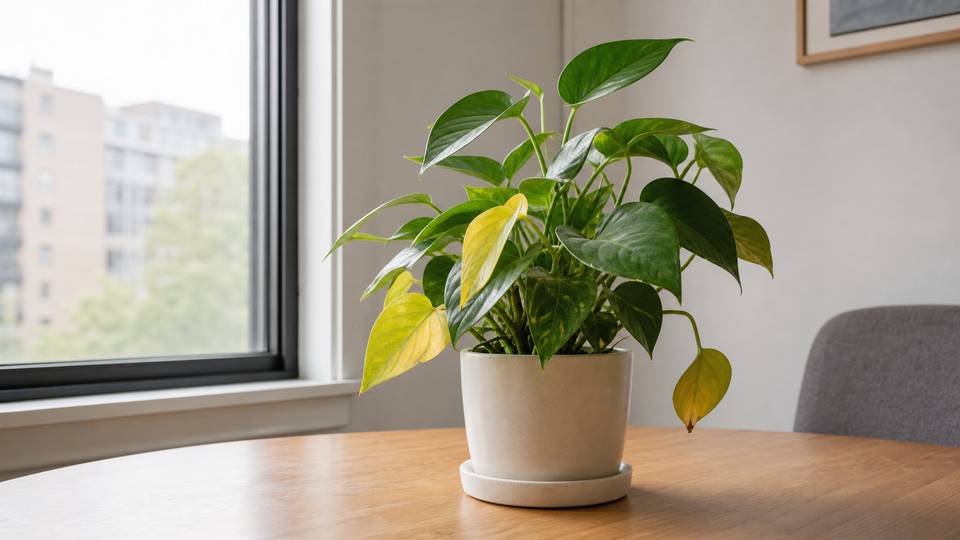
These signs are not proof. Brown tips can also come from inconsistent watering, fertilizer buildup, sun stress, drafts, or normal wear.
Use humidity as one possibility, not the only answer.
Start With Placement
Before adding tools, check where the plant sits.
Move plants away from:
- Heat vents
- Cold drafts
- Frequently opened exterior doors
- Hot window glass
- Air-conditioning blasts
Sometimes a small placement change helps more than daily misting. A plant sitting directly in moving dry air may keep showing stress even if the rest of the room is comfortable.
Misting Has Limits
Misting can make leaves look refreshed for a short time, but it usually does not raise room humidity for long. It can also be a poor fit for fuzzy leaves, crowded plants, or rooms with weak airflow.
If you mist, do it lightly, early enough for leaves to dry, and only on plants that tolerate it. Do not mist as a substitute for watering correctly. Do not keep leaves wet all day.
For many beginners, misting becomes a ritual that feels useful while the real issue remains: dry air from a vent, low light, or inconsistent watering.
Try Grouping or a Pebble Tray Carefully
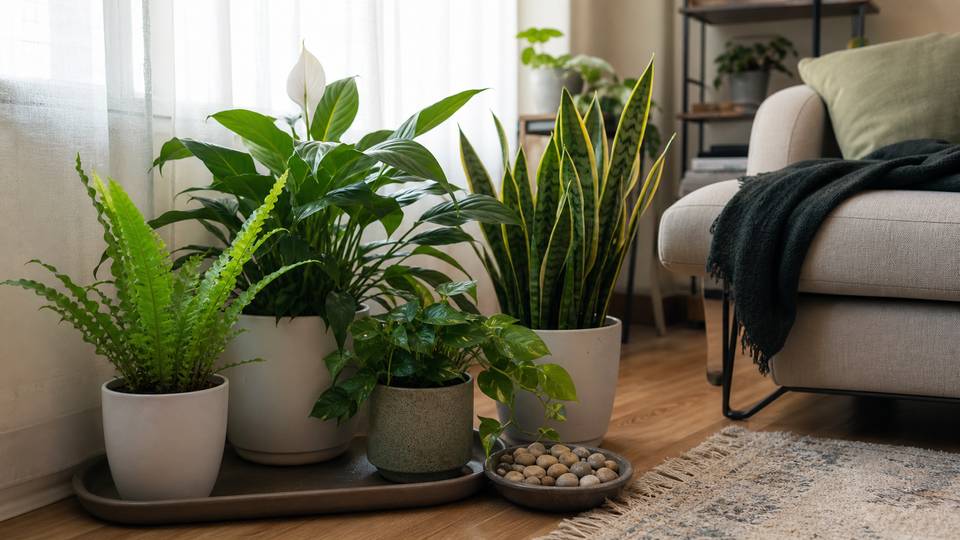
Grouping plants can create a slightly more sheltered pocket of air around them. It also makes care easier because plants with similar light and water needs are together.
A pebble tray may help a small area if water sits below the pot and the pot itself is not standing in water. The key detail is that roots should not sit in the tray water.
Use a pebble tray like this:
- Choose a shallow tray.
- Add pebbles.
- Add water below the top of the pebbles.
- Set the pot on the pebbles, not down in the water.
- Clean the tray regularly.
If the tray smells, grows algae, attracts insects, or keeps the area damp, stop and reassess.
When a Humidifier Makes Sense
A humidifier may help if you have several plants that prefer higher humidity and the room is consistently dry. It is more useful than occasional misting because it affects the room air for longer.
Use it conservatively:
- Keep airflow in the room.
- Do not aim constant mist directly at leaves or walls.
- Clean the unit according to its instructions.
- Watch for condensation on windows.
- Stop if mold or damp surfaces become an issue.
A humidifier is a room-care tool as much as a plant-care tool.
Match Humidity to Plant Type
Some plants, such as many succulents and cacti, are not asking for a humid corner. Many tropical foliage plants may appreciate more moisture in the air, but even then, light, watering, and temperature still matter.
Do not create one humid plant cluster for every plant you own. Group plants with similar needs, and keep air moving enough that leaves are not constantly wet.
A Beginner Plan
If you suspect dry air, try this sequence:
- Identify the plant.
- Move it away from vents and drafty windows.
- Check watering and drainage.
- Group it with plants that like similar light and care.
- Consider a pebble tray or humidifier only if the room is still too dry.
- Watch new growth and new leaf tips, not old damaged tissue.
That sequence keeps humidity in proportion. It matters, but it is not the first or only lever.
Sources and Further Help
For additional guidance on indoor plant stress, humidity, and watering basics, see:
- Illinois Extension: Keep houseplants happy with simple solutions
- Clemson Extension: Indoor Plants - Watering
- University of Minnesota Extension: Insects on indoor plants
Quick Questions
Do all indoor plants need high humidity?
No. Some plants tolerate average home humidity, while others show more stress in dry rooms. Identify the plant before changing the room.
Does misting raise humidity enough for houseplants?
Misting may briefly wet the area around leaves, but it is usually temporary. It should not replace correct watering, light, and airflow.
Can too much humidity hurt indoor plants?
Yes. Poor airflow and constantly damp surfaces can encourage mold or disease problems, so humidity should stay balanced with ventilation.