Container Gardening
How to Keep Balcony Plants From Blowing Over
Keep balcony plants more stable with practical checks for wind, pot shape, placement, railing rules, drainage, storms, and renter limits.
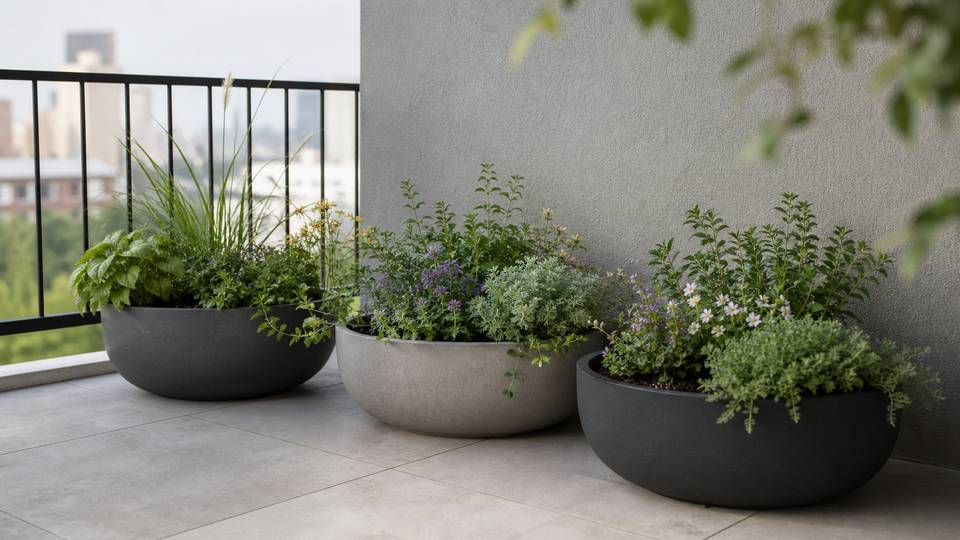
Balcony wind can surprise new gardeners. A pot that feels sturdy in the store may tip once it holds a tall plant, dries out, and sits several floors above ground with wind moving around the building.
The goal is not to make a balcony garden stormproof. It is to reduce obvious tipping risks, keep containers inside the rules, and scale the garden to the space.
Read the Wind Before Adding More Pots
Spend a few days noticing where wind hits. Corners, railings, and open edges may behave differently from the area near a wall. Wind may also change by season and storm pattern.
Look for:
- Pots rocking or rotating
- Leaves constantly pushed one direction
- Drying much faster on one side
- Soil blowing out of light containers
- Tall plants leaning after windy days
If small empty pots move around, planted pots need a more conservative setup.
Use Low, Wide, Stable Containers
Pot shape matters. Tall narrow pots tip more easily, especially with top-heavy plants. A low, wide container usually gives better stability.
Choose containers that:
- Have a broad base
- Match the mature plant size
- Do not become top-heavy when the mix dries
- Have drainage holes
- Can be moved before storms
- Sit flat on the balcony surface
Container material matters too. Very lightweight pots are easy to move, but they may also move when you do not want them to. Heavy pots feel stable, but they add weight and may be hard to shift. For renters, choose a size you can manage and confirm building limits where needed.
Keep Containers Inside the Balcony
The safest beginner habit is to keep planters inside the balcony floor area, away from the outer edge. Avoid placing pots on rail caps, ledges, or unstable furniture.
Railing planters require extra caution. Use only planters and hardware that are designed for that use and allowed by your building. If rules are unclear, do not hang containers over the outside edge.
This article cannot evaluate your railing, fasteners, balcony structure, or lease. When in doubt, choose freestanding planters set low and inside the balcony.
Group Plants Without Creating a Sail
Grouping pots can reduce wind exposure and make watering easier. But a solid wall of tall plants can catch wind like a sail.
Try grouping low containers near a wall, with taller plants set back and supported. Avoid tall lightweight stands in exposed areas. If using shelves, make sure they are stable, allowed, and not overloaded.
Do not tie plants or shelves to building parts unless your lease or building rules allow it.
Support the Plant, Not Just the Pot
Some plants need stakes, cages, or gentle ties as they grow. A stable pot can still lose stems if the plant is too tall and unsupported.
Use supports early, before stems lean badly. Keep ties loose enough that they do not cut into growth. For edible crops, use clean materials appropriate for garden use.
If a plant keeps tipping or breaking despite support, it may be too tall for that balcony spot.
Plan for Water and Drainage
Wind dries containers faster. Dry potting mix is lighter, and lighter pots can be less stable. That does not mean keeping pots soaked; it means checking moisture so containers do not become bone-dry and top-heavy.
Use saucers or trays carefully. They can help control runoff, but standing water can stress roots and attract problems. Empty them when needed.
Building drainage rules matter. Keep water and loose potting mix from blowing or washing into shared areas.
Before Storms or High Wind
If high wind is forecast and it is safe to prepare ahead of time:
- Move lightweight pots to the floor.
- Pull containers back from railings.
- Take down hanging baskets if allowed and practical.
- Lower tall plants.
- Remove loose trays, tools, and empty pots.
- Do not go outside during dangerous weather to rescue plants.
No plant is worth taking personal risk during a storm.
When to Scale Back
Scale back if wind repeatedly tips pots, containers block safe movement, water runoff becomes hard to control, or you cannot move plants when weather changes.
A smaller balcony garden with stable containers is better than a crowded one that keeps creating problems. Wind is part of the site, not a flaw you can always fix.
Sources and Further Help
For additional guidance on container and balcony gardening considerations, see:
- UNH Extension: Tips for Small Space Gardening - Pots and Other Containers
- University of Maryland Extension: Types of Containers for Growing Vegetables
- Oregon State Extension: No yard? Grow vegetables in containers
Quick Questions
Why do balcony plants blow over so easily?
Balconies can be windier than ground-level spaces, and tall plants in narrow or lightweight pots are especially easy to tip.
Are railing planters safe for every balcony?
No. Check building rules and use only planters and hardware allowed for your balcony. When unsure, keep containers inside the balcony floor area.
Should I bring balcony plants inside during storms?
Move or lower containers before severe wind when you can do so safely. Do not handle plants during dangerous weather.