Container Gardening
How to Keep Container Plants From Drying Out Too Fast
Keep container plants from drying out too fast by adjusting pot size, mix, placement, mulch, watering technique, and plant choices.
If a container plant dries out too fast, it is easy to blame yourself for forgetting. Sometimes that is part of it. More often, the pot is simply asking too much: tiny container, hot exposure, drying wind, thirsty plant, and not enough mix to hold moisture.
The fix is not one trick. It is a set of small changes that make the container less punishing.
Diagnose the Pot Before You Add More Water
Look at the setup, not just the leaves.
Ask:
- Is the pot small for the plant?
- Does the planter sit in afternoon sun?
- Is wind hitting it from multiple sides?
- Does water run out immediately?
- Is the mix pulling away from the pot edge?
- Is the plant rootbound?
- Is the container porous, like terracotta or fabric?
UNH Extension notes that container vegetables need adequate water and enough direct sun, but the container itself must also fit the crop. A plant in too little root space will be harder to keep evenly moist.
Use More Root Room When the Plant Needs It
A larger pot is not always the answer, but a too-small pot is a common reason containers dry quickly. More potting mix can hold moisture longer and buffer the plant through hot hours.
Move up in size when:
- Roots circle tightly around the pot
- The plant wilts soon after watering
- The pot tips easily because top growth is large
- The crop is known to need deeper or wider root space
Do not move a tiny plant into a huge pot of wet mix. Match the container to the plant’s current size and mature needs.
Improve the Watering Technique
Fast watering can fake you out. Water may rush through cracks or dry channels without moistening the full root area.
Try this:
- Water once lightly to moisten the surface.
- Wait briefly.
- Water again more deeply.
- Check that water drains.
- Recheck the pot later in hot weather.
If the mix has become very dry, soaking the container may be needed to rewet it evenly. Let it drain afterward and avoid leaving the pot standing in water.
Add Surface Protection Carefully
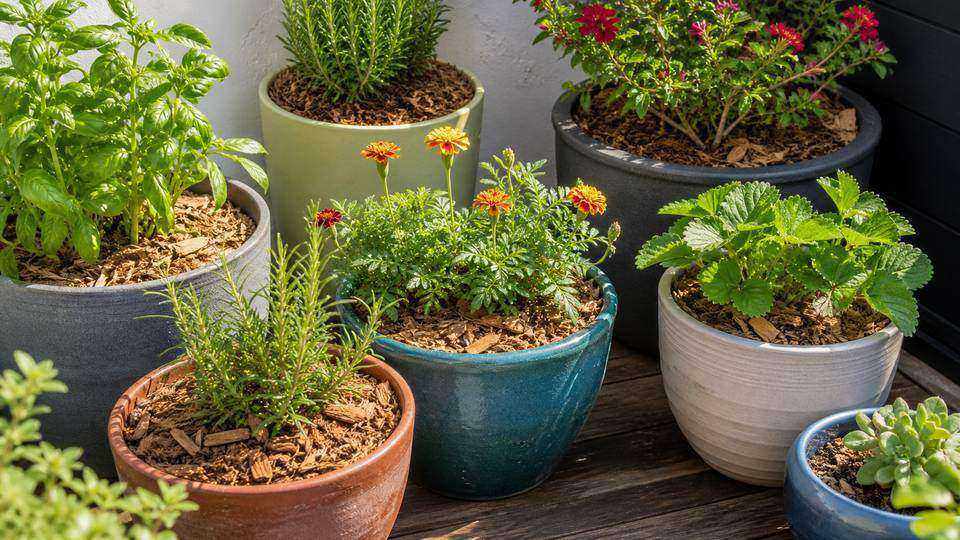
A light mulch layer can reduce surface drying in some containers. Use clean, appropriate material such as straw, shredded leaves, fine bark, or compost where it suits the plant and crop.
Keep mulch away from tender stems. Do not pile it thickly in a small pot. If the container starts smelling sour, attracting pests, or staying wet on top, remove or thin the mulch.
For edible plants, use materials appropriate for edible gardening and verify local guidance if you are unsure.
Rethink Placement
Moving a pot can be more effective than watering twice as often. The difference between six hours of hot reflected afternoon sun and gentler morning sun can be large.
Try:
- Moving pots away from reflective walls
- Keeping containers off hot pavement when possible
- Grouping pots to reduce wind exposure
- Giving temporary afternoon shade during heat
- Lowering hanging baskets during hot spells if allowed
Do not move sun-loving vegetables into deep shade and expect the same growth. The goal is less stress, not no light.
Choose Materials With Drying Speed in Mind
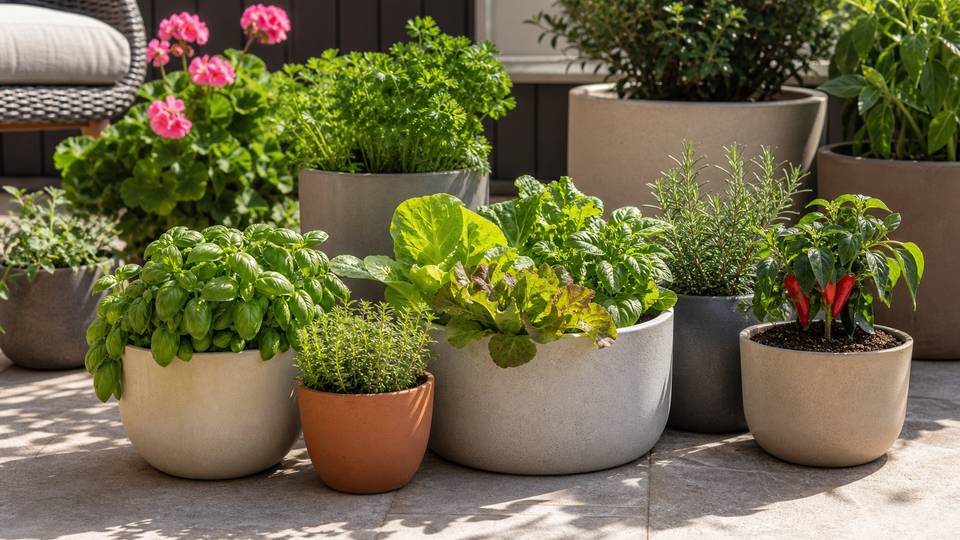
Terracotta can be useful for plants that dislike staying wet, but it can dry too fast for thirsty balcony vegetables in hot wind. Plastic and glazed pots often hold moisture longer. Fabric grow bags can be helpful for root aeration but may dry quickly outdoors.
There is no perfect material. Choose based on your plant, climate, watering habits, and whether you can manage the pot when it is wet and heavy.
Avoid Moisture Fixes That Create New Problems
Do not block drainage holes to keep water in. Roots still need air, and trapped water can create a different stress.
Do not use garden soil just because it seems heavier. In containers, garden soil can compact and drain poorly.
Do not add fertilizer as a moisture solution. Fertilizer does not fix dry potting mix, hot exposure, or a pot that is too small.
Build a Less Thirsty Setup Next Time
For the next planting, pair the plant with the container from the start:
| Situation | Better Starting Choice |
|---|---|
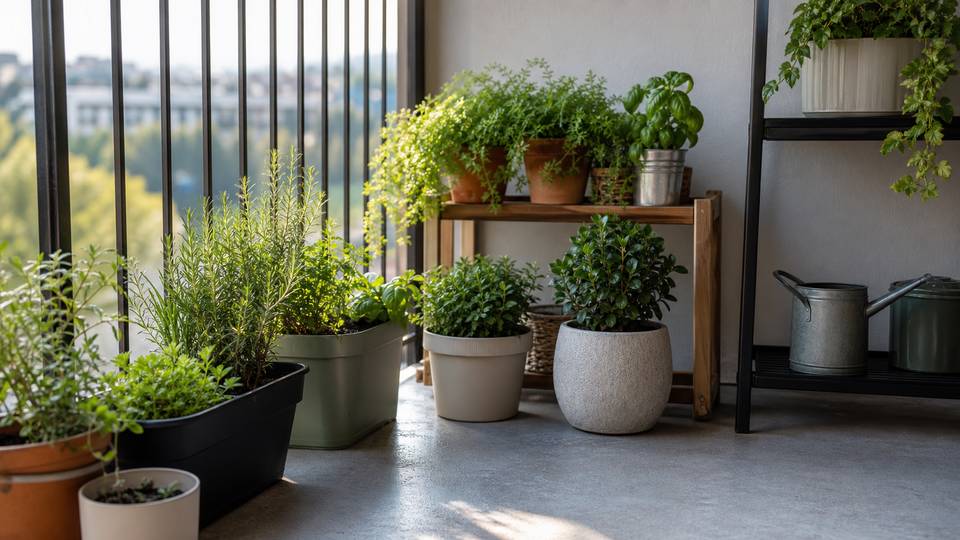
| Hot balcony | Larger containers, stable placement, heat-tolerant plants |
| Forgetful watering | Fewer pots, larger soil volume, nearby water source |
| Windy railing area | Low, stable containers instead of hanging pots |
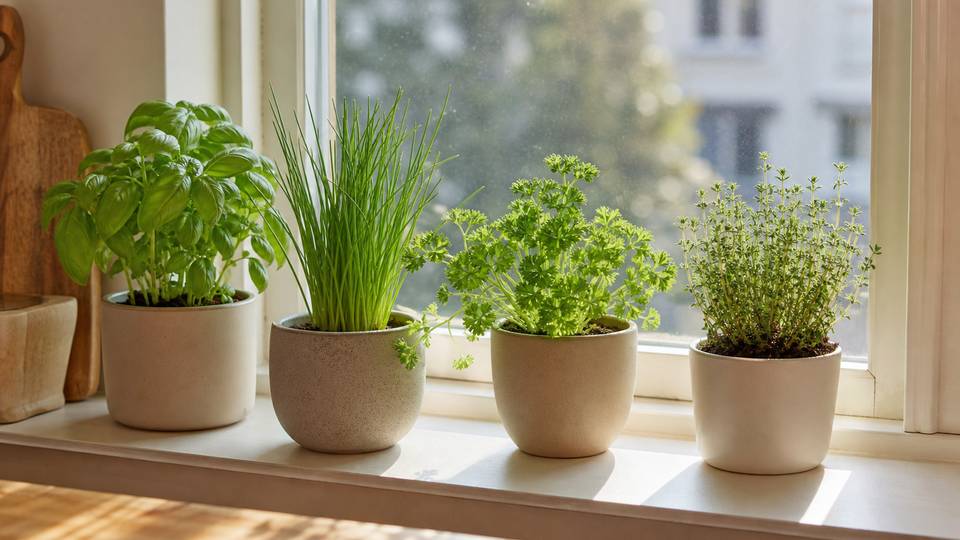
| Herbs indoors | Separate pots for different water needs |
| Leafy greens | Wider containers and cool-season timing |
The easiest container garden is the one that matches the space before the first heat wave.
Sources and Further Help
For additional guidance on container moisture and setup, see:
- UNH Extension: Growing Vegetables in Containers
- Penn State Extension: Container Vegetable Gardening - Four Keys to Success
- University of Maryland Extension: Types of Containers for Growing Vegetables
Quick Questions
Why do my container plants dry out so quickly?
Small pots, hot sun, wind, thirsty plants, porous containers, and lightweight mixes can all make containers dry faster.
Will a bigger pot stay moist longer?
Often yes, because it holds more potting mix, but the pot still needs drainage and must fit the mature plant.
Can mulch help container plants?
A light mulch layer can slow surface drying for some containers, but it should not cover stems or keep the mix constantly wet.