Indoor Plant Care
How to Quarantine a New Houseplant
Quarantine a new houseplant with a simple beginner checklist for pests, leaf checks, watering, placement, and cautious treatment decisions.
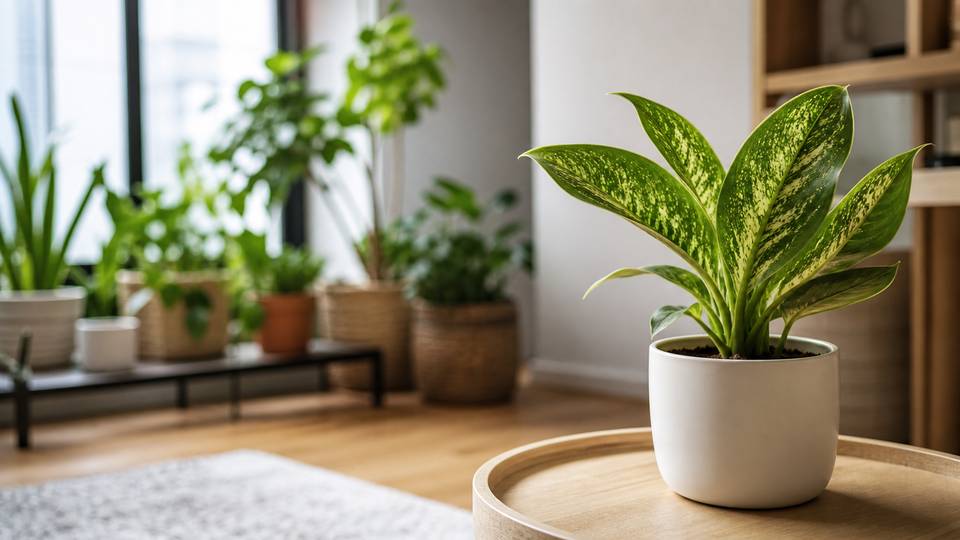
A new houseplant can look clean at the store and still bring home a problem. Small insects, eggs, webbing, sticky residue, or stressed roots are not always obvious on the first day.
Quarantine does not need to be dramatic. It simply means giving the plant its own space while you inspect it and let it settle before placing it beside the rest of your collection.
Quick Answer
Keep a new houseplant separate from other plants for one to two weeks, and longer if anything suspicious appears. Place it in suitable light, check leaf tops and undersides, inspect stems and soil, avoid automatic pesticide use, and watch for sticky residue, webbing, bumps, flying insects, or spreading spots. If you find a likely pest issue, identify it carefully before treating.
Choose a Practical Quarantine Spot
The best quarantine spot is not a dark punishment corner. The plant still needs conditions close to what it can tolerate.
Look for:
- Enough light for the plant type
- Distance from other plants
- No direct blast from vents
- A surface you can wipe clean
- Easy access for inspection
- A saucer or tray to control water
If you live in a small apartment, separation may mean a different room, a far windowsill, or the opposite side of a bright area. More distance is better, but even a deliberate gap is better than tucking a new plant directly into a crowded shelf.
Inspect Before You Water
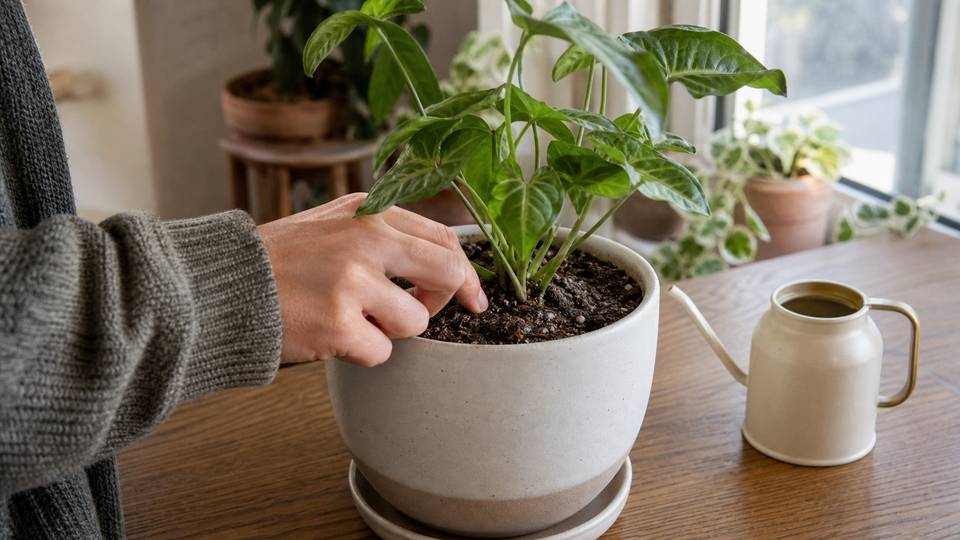
Do a first check before watering or repotting. Store soil may already be wet, and a stressed plant does not need every care action on the same day.
Check:
- Leaf undersides
- New growth
- Stem joints
- Soil surface
- Drainage holes
- The outside and bottom of the nursery pot
Use a bright light. Tiny pests are easy to miss in evening room light.
UMN Extension recommends isolating newly acquired plants for one to two weeks so possible pest problems have time to become visible. Starting new plants with temporary separation follows that conservative idea.
What to Look For
Different pests leave different clues. You do not need to identify everything instantly, but you do need to notice when something is off.
| Clue | What It Might Suggest |
|---|---|
| Fine webbing | Possible spider mites or another webbing issue |
| Sticky leaves or nearby surfaces | Possible sap-feeding insects |
| Small brown or tan bumps on stems | Possible scale insects |
| White cottony clusters | Possible mealybugs |
| Tiny flies around damp soil | Possible fungus gnats or wet soil conditions |
| Silvery or speckled leaf damage | Possible feeding damage needing closer inspection |
These are signs to investigate, not proof of one pest.
Do Not Treat Blindly
It is tempting to spray every new plant “just in case.” That can damage sensitive plants, expose your home to unnecessary products, and make it harder to learn what problem you actually have.
If you find pests, identify them as carefully as possible. Use university extension guidance, a local plant clinic, or a reputable nursery for help. If a pesticide or treatment product is used, follow the product label exactly.
Avoid mixing home remedies, oils, soaps, or pesticides without reliable guidance. More treatment is not automatically safer.
Keep Care Steady During Quarantine
Quarantine is already a change. The plant may also be adjusting from greenhouse, shop, shipping, or outdoor conditions.
For the first weeks:
- Water only when the potting mix calls for it.
- Avoid fertilizing immediately unless there is a clear plant-specific reason.
- Do not repot on day one unless the plant is unstable, badly rootbound, or sitting in a serious soil problem.
- Remove dead leaves, but do not heavily prune healthy growth.
- Watch new growth and overall firmness.
The point is to observe clearly.
End Quarantine Slowly
If no pest signs appear after the quarantine period and the plant looks stable, clean the outside of the pot, check the leaves one more time, and place it near compatible plants.
Do not crowd it immediately into a dense group if you are still uncertain. Leave enough space to keep inspecting for another week or two.
If pests appear, extend quarantine and avoid moving the plant near others until the issue is under control.
When to Skip the Purchase Next Time
Quarantine helps, but the best pest prevention starts before buying.
Be cautious with plants that have:
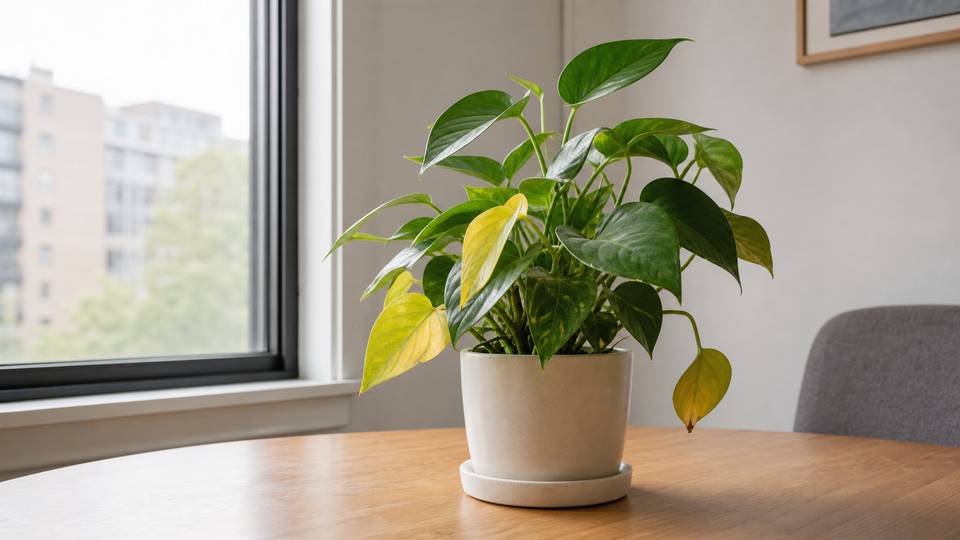
- Sticky leaves
- Webbing
- Many yellowing or spotted leaves
- Soft stems
- Visible insects
- Very wet, sour, or neglected potting mix
- Plants packed so tightly that inspection is impossible
You do not need to rescue every plant. For beginners, choosing a clean, inspectable plant is often the kinder start.
Sources and Further Help
For additional guidance on indoor plant pests and isolation, see:
- Penn State Extension: Pest and disease problems of indoor plants
- Illinois Extension: Houseplant pests and how to manage them
- University of Minnesota Extension: Insects on indoor plants
Quick Questions
How long should I quarantine a new houseplant?
One to two weeks is a practical beginner quarantine period, with longer separation if the plant shows possible pest signs.
Where should I put a quarantined plant?
Place it away from other plants in a spot with suitable light, stable temperature, and easy access for inspection.
Should I spray a new plant before seeing pests?
Do not use pesticides automatically. Inspect first, identify problems carefully, and follow reputable guidance and product labels if treatment is needed.