Indoor Plant Care
How to Build a Simple Houseplant Care Routine
Build a flexible houseplant care routine that helps you check water, light, leaves, pests, and seasonal changes without overchecking.
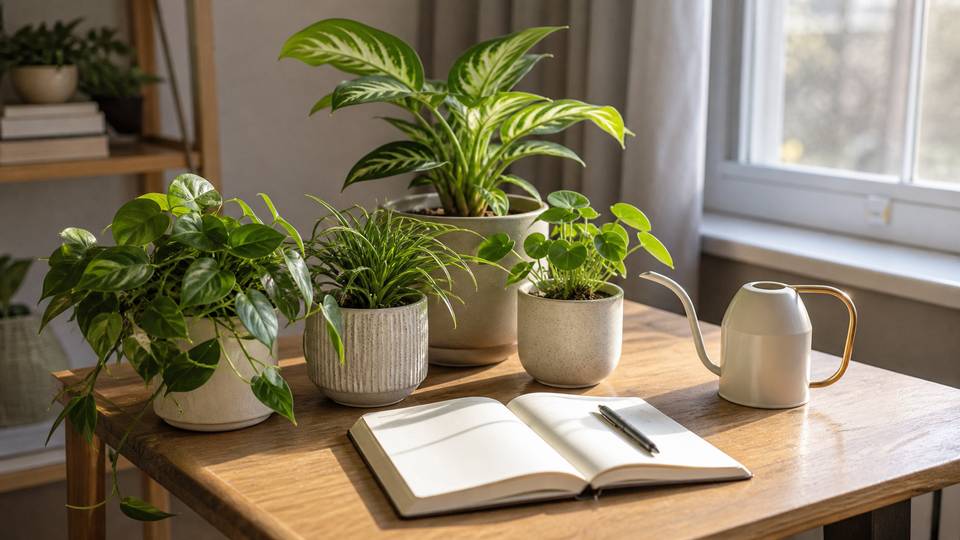
A houseplant routine should make plants easier to live with, not turn them into homework. The best beginner routine is short, repeatable, and flexible enough to notice when one plant needs different care from the others.
Think of the routine as a weekly inspection, not a weekly watering order.
Quick Answer
Choose one regular day to check your indoor plants. Look at soil moisture, pot weight, leaves, drainage, light, and pests. Water only the plants that need it, clean or rotate only when useful, and make seasonal adjustments as rooms get brighter, darker, warmer, cooler, or drier.
Set One Plant Check Day
Pick a day when you are usually home for ten quiet minutes. Put it on a calendar if that helps. The reminder should say “check plants,” not “water plants.”
On that day, walk through the same short list:
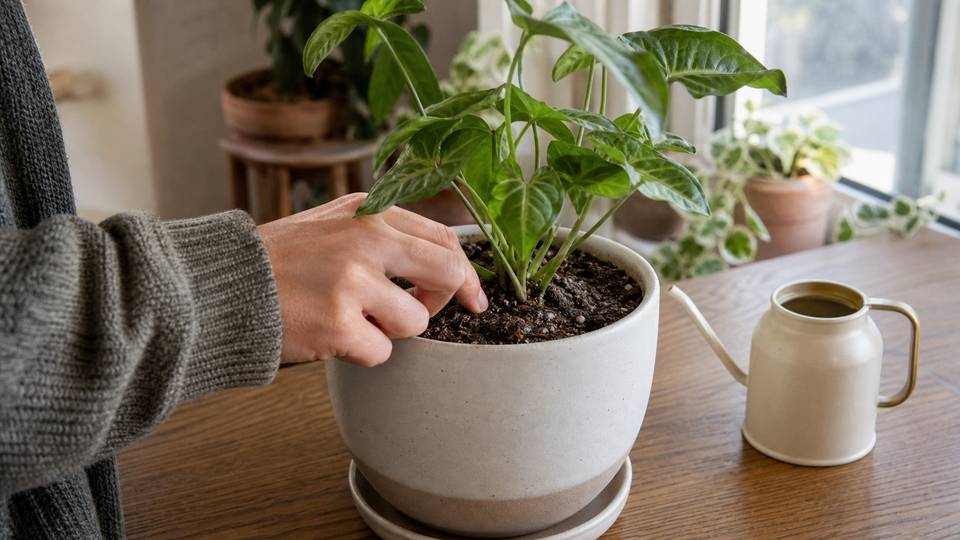
- Check soil moisture.
- Lift small pots to feel weight.
- Look at leaves and stems.
- Empty saucers or cachepots if water is sitting.
- Turn plants slightly if they lean.
- Notice light, vents, and window temperature.
- Look under a few leaves for pests.
That is enough for most small indoor collections.
Make a Three-Part Routine
Instead of making one long chore list, split care into three rhythms.
| Rhythm | What to Do | Why It Helps |
|---|---|---|
| Weekly | Check soil, leaves, drainage, light, and pests | Catches changes before they become confusing |
| Monthly | Wipe dusty leaves, review placement, remove dead leaves | Keeps plants readable and rooms tidy |
| Seasonal | Adjust watering expectations, move plants if light changes, review fertilizer timing | Matches the plant to the room’s changing conditions |
Some weeks you may only look and do nothing. That still counts. Not every check needs an action.
Water by Readiness
Watering is where routines often go wrong. A weekly reminder can make you feel responsible, but plants do not dry on the same schedule.
A small pot in bright light may be ready before a large pot in a dim corner. A plant in active growth may use more water than the same plant in winter. A plastic pot may stay wet longer than terracotta.
Clemson Extension explains that watering frequency depends on factors such as plant species, pot type, potting mix, and location. Use that as permission to stop treating every plant the same.
If a plant is not ready, skip it and check again later.
Keep Notes Small
Plant notes are useful only if you will keep using them. You do not need a complicated spreadsheet for a few houseplants.
Try a simple note on your phone:
| Plant | Normal Check | Watch For |
|---|---|---|
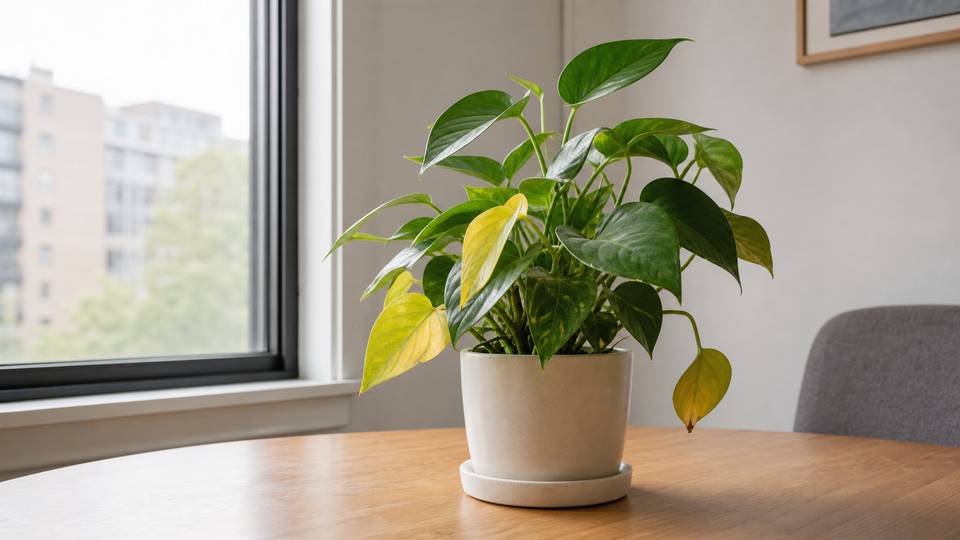
| Pothos by window | Water when top mix dries somewhat | Yellow leaves if pot stays wet |
| Fern on shelf | Check moisture more often | Crispy edges in dry weeks |
| Snake plant | Let dry more between waterings | Soft base if overwatered |
Do not try to record everything. Record the pattern you keep forgetting.
Use the Routine to Prevent Overreaction
When you check plants regularly, one yellow leaf is less dramatic. You know whether the plant was recently moved, watered, dried out, or exposed to a draft.
This helps you avoid the classic chain reaction:
- See one imperfect leaf.
- Add water.
- Add fertilizer.
- Move the plant.
- Repot it.
- Still not know what happened.
Routine gives you context. Context keeps care calmer.
Include a Pest Glance
A pest check does not need to be intense every week. Lift a few leaves. Look at new growth. Check for sticky residue, webbing, small bumps, or tiny moving insects.
If something looks suspicious, move the plant away from nearby plants before treating it. Identify the problem carefully and follow reputable guidance or product labels if a treatment is needed.
This is especially helpful after bringing home a new plant.
Adjust With the Room
Rooms change. Your routine should notice those changes.
In winter, indoor plants may sit in lower light and cooler rooms. Some pots dry more slowly, while heated rooms may create dry air around leaf tips. In summer, brighter windows and warmer rooms can dry small pots faster.
After moving a plant, repotting, turning on heat, or opening windows regularly, check a little more often for a couple of weeks.
When the Routine Is Too Much
If your routine makes you fuss with plants every day, simplify it. Most plants do not need constant handling.
Cut back to:
- One weekly check
- One monthly cleanup
- One seasonal adjustment
If a plant needs daily attention to survive in your home, it may not be the right plant for that spot or for your current routine.
Sources and Further Help
For additional guidance on houseplant watering, routine checks, and common stress signs, see:
- Clemson Extension: Indoor Plants - Watering
- Illinois Extension: Keep houseplants happy with simple solutions
Quick Questions
Should I water all my houseplants on the same day?
Use one day to check plants, but water only the pots that are ready based on soil moisture, plant type, and conditions.
How often should beginners check indoor plants?
A weekly check works for many homes, with extra checks during heat, dry winter air, recent moves, or pest concerns.
What should be in a plant care routine?
Check soil moisture, leaves, light, pests, drainage, saucers, and seasonal changes. Keep notes simple enough that you will use them.