Container Gardening
Small-Space Vegetable Gardening for Beginners
Plan a small-space vegetable garden with realistic choices for light, containers, crops, watering, local season, and renter limits.
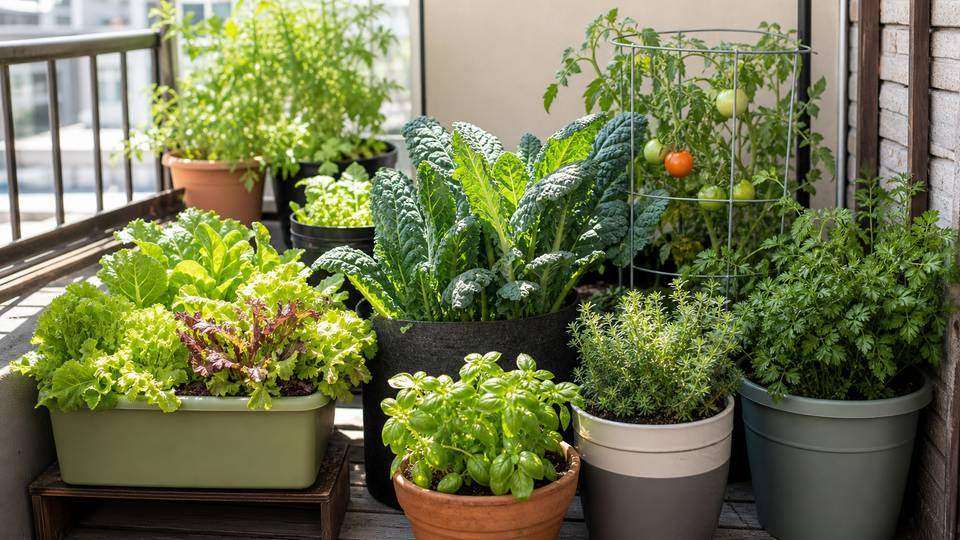
Small-space vegetable gardening works best when it starts smaller than the dream version. A few containers of herbs, greens, or compact vegetables can teach you more than a crowded balcony full of plants you cannot water, move, or harvest comfortably.
This is not about proving how much food a tiny space can produce. It is about learning which edible plants fit your light, season, containers, and routine.
First Decision: Light
Before choosing crops, watch the space. Vegetables grown for fruit usually need more direct sun than leafy crops. A balcony with strong afternoon sun is different from a shaded doorstep or a bright windowsill.
Oregon State Extension notes that fruiting vegetables such as tomatoes, beans, and peppers need six to eight hours of direct sun, while root and leaf crops can tolerate light shade. Treat that as a planning clue, not a promise that every crop will perform in every small space.
Use this guide:
| Light Situation | Better Beginner Direction |
|---|---|
| Strong direct sun for much of the day | Compact tomatoes, peppers, bush beans, herbs, some greens in season |
| Morning sun | Herbs, greens, compact crops suited to your season |
| Bright but little direct sun | Herbs and leafy crops may be more realistic than fruiting crops |
| Hot reflected balcony sun | Heat-tolerant plants, larger pots, careful watering |
If the light is weak, start with herbs or greens instead of forcing tomatoes.
Choose Containers Before Crops
Small vegetables still need root space. A crop can be compact above the soil and still need a deeper or wider pot than expected.
Look for containers with:
- Drainage holes
- Enough depth for the crop
- Stable bases
- Clean materials for edible plants
- Room for potting mix, not just roots
- Saucers or runoff control where needed
Avoid containers that held chemicals, paint, solvents, or unknown materials. For edible crops, clean and known is worth more than clever and questionable.
Pick a First Garden You Can Maintain
A beginner small-space vegetable garden might be:
- One container of lettuce or greens
- One pot of basil or parsley
- One compact pepper or tomato if the space is sunny enough
That is enough to learn watering, light, and container behavior. You can add more later.
If you start with ten pots, every problem multiplies: watering, pests, heat, wind, cleanup, fertilizer, and space.
Match Crops to the Season
Vegetable timing is local. Lettuce and many greens prefer cooler conditions. Peppers and tomatoes want warmth and strong light. Herbs vary. Local frost dates, heat, day length, and balcony exposure all matter.
Use seed packets and local extension guidance for timing. Do not rely on a generic online calendar unless it matches your region.
If the season is wrong, choose a different crop or wait. A good small garden respects timing instead of fighting it.
Water Like Containers, Not Garden Beds
Containers dry faster than in-ground beds. They also show mistakes faster.
Check moisture often during hot or windy weather. Water slowly enough that the mix absorbs moisture. Let excess water drain. Do not leave pots sitting in full saucers for long periods.
Penn State Extension’s container vegetable guidance starts with basic success factors: container, medium, light, and care. Watering only works well when the other pieces fit.
Keep Food Handling Simple and Conservative
Use potting mix suited to edible containers. Follow fertilizer labels for edible crops. Wash harvested produce. Do not eat from plants treated with products that are not labeled for edible use.
This article cannot evaluate every soil source, container material, pesticide, or local contamination concern. If you are unsure, choose clean new materials and ask a local extension office.
Renter and Balcony Boundaries
For renters, the garden must fit the lease and the building.
Check rules about:
- Drilling or attaching planters
- Railing boxes
- Weight
- Drainage and runoff
- Keeping exits clear
- Compost or soil storage
If rules are unclear, use smaller freestanding containers that stay inside your space and can be moved without damage. Do not guess about what a balcony can support.
What to Avoid in the First Season
Avoid giant containers you cannot move, crops that require more sun than you have, and mixed planters with plants that need very different watering.
Avoid expecting a small container garden to replace grocery shopping. It can still be worthwhile if it gives you herbs, greens, practice, and a calmer way to learn.
Avoid buying supplies for a garden you have not observed yet. Light and water access should shape the shopping list.
Sources and Further Help
For additional guidance on small-space vegetable gardening, see:
- Oregon State Extension: No yard? Grow vegetables in containers
- Penn State Extension: Container Vegetable Gardening - Four Keys to Success
- UNH Extension: Growing Vegetables in Containers
Quick Questions
Can I grow vegetables without a yard?
Yes, some vegetables can grow in containers on patios, balconies, doorsteps, or bright small spaces if they have enough light, water, and root room.
What vegetables are good for small spaces?
Leafy greens, herbs, compact peppers, bush beans, radishes, and container-suited tomatoes can be options depending on light and season.
Do small-space vegetable gardens need full sun?
Many fruiting vegetables need strong direct sun. Some leafy crops tolerate less, but a dim space will limit what you can grow.