Home Gardening Basics
How to Start Seeds Indoors Without Fancy Equipment
Start seeds indoors with a simple beginner setup using clean containers, seed-starting mix, light, labels, and steady moisture.
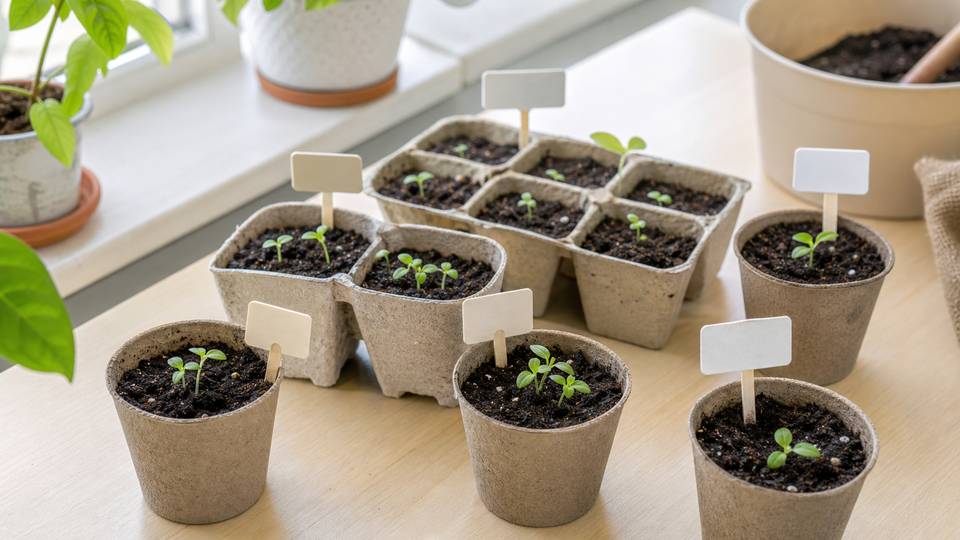
Seed starting can look like a specialized hobby before you even open a packet. Heat mats, grow lights, trays, domes, soil blocks, and shelves all have their place, but a beginner does not need a full setup to learn the process.
Start small. A few clean containers, seed-starting mix, labels, steady moisture, and the brightest practical spot will teach you more than a crowded tray of seeds you cannot manage.
Quick Answer
To start seeds indoors without fancy equipment, use clean containers with drainage holes, a light seed-starting mix, fresh seeds, labels, gentle watering, and a bright location. Check the seed packet and local extension guidance for timing and planting depth. Move seedlings toward stronger light as soon as they sprout, and harden them off before moving them outside.
Choose Seeds That Fit Your First Setup
Not every seed is equally pleasant indoors. Some plants grow quickly and stretch if light is weak. Some resent transplanting. Some need a longer indoor head start.
Oklahoma State Extension cautions that many gardeners start seeds too early and recommends working back from local frost timing, including time for hardening off. That makes timing a local decision, not a universal date.
For a first attempt, pick only a few seed types and read the packet before planting. Look for:
- When to start indoors
- Planting depth
- Days to germination
- Light needs after sprouting
- When to transplant
- Whether the plant prefers direct sowing outdoors
If the packet says a seed does best planted directly outside, do not force it indoors just because you have a tray.
Use Clean Containers With Drainage
You can use seed trays, small nursery pots, paper pots, or reused food containers if they are clean and have drainage holes. Drainage matters because seedlings need moisture, not stagnant water.
A simple beginner setup:
| Item | Why It Helps |
|---|---|
| Clean shallow containers | Gives seeds a small controlled space |
| Drainage holes | Lets extra water leave |
| Tray underneath | Protects the table or windowsill |
| Seed-starting mix | Holds moisture without being heavy garden soil |
| Labels | Prevents mystery seedlings |
| Spray bottle or gentle watering can | Reduces seed disturbance |
Avoid heavy garden soil in small indoor containers. It can compact, drain poorly, and make watering harder.
Plant at the Right Depth
Planting depth depends on the seed. Some small seeds need light or only a thin covering. Larger seeds are usually covered more deeply. The packet is the best starting point.
Before planting, moisten the seed-starting mix so it is evenly damp but not muddy. Fill the container, press lightly, place the seeds, and cover them only as directed.
Label each container right away with the plant name and date. Do not trust memory; many seedlings look similar at first.
Keep Moisture Steady, Not Soggy
Seeds need steady moisture to germinate, but soggy mix can cause problems. Check containers daily because small cells dry faster than houseplant pots.
Water gently. If the surface dries quickly, misting can help in the very beginning. Once seedlings have roots, bottom watering from the tray can reduce disturbance, but do not leave containers sitting in water for long periods.
If you cover containers loosely to hold moisture, remove the cover after sprouting so air can move and seedlings do not stay too damp.
Give Seedlings Enough Light
Seeds may sprout in warmth, but seedlings need light quickly. A bright window can work for a small beginner batch, especially if you rotate containers so seedlings do not lean heavily one way.
Watch for leggy seedlings: long, pale stems stretching toward light. That usually means they need stronger or closer light. If you later add a basic grow light, follow the light’s instructions and keep it close enough to help without overheating plants.
Do not start more seedlings than your bright space can support.
Thin Before the Tray Gets Crowded
It feels wasteful to remove extra seedlings, but crowded seedlings compete for light, moisture, and airflow. When more seedlings sprout than you need, keep the strongest and snip extras at the soil line with clean scissors.
Pulling extras can disturb roots nearby. Cutting is usually calmer for the small container.
Common Seed-Starting Mistakes
The first mistake is starting too early. Seedlings kept indoors too long can become weak, crowded, or hard to manage before outdoor conditions are ready.
The second mistake is using weak light. A windowsill that looks bright to a person may still leave seedlings stretching.
The third mistake is forgetting labels. If you are starting tomatoes, basil, and flowers in similar cells, label them before the first watering.
The fourth mistake is skipping hardening off. Seedlings raised indoors need gradual exposure to outdoor sun, wind, and temperature changes before they stay outside.
When to Start Over
Start over if the whole tray smells sour, seedlings collapse widely, mold spreads across the surface, or the seedlings are extremely leggy and weak. That is not failure; it is information for the next batch.
Use fewer seeds, cleaner containers, better light, and more careful moisture. Seed starting is easier when the first tray is small enough to watch.
Sources and Further Help
For additional guidance on seed starting, light, timing, and hardening off, see:
- University of Nevada, Reno Extension: Starting Seeds Indoors
- Oklahoma State University Extension: Tips for Starting Seeds at Home
Quick Questions
Do I need grow lights to start seeds indoors?
Grow lights can help, but beginners can start small with a very bright window for some seeds. Weak light often leads to leggy seedlings.
Can I use any container for seed starting?
Use clean containers with drainage holes. Reused containers should be washed well before they hold seed-starting mix.
When should I start seeds indoors?
Timing depends on the plant and your local last frost or planting dates, so check the seed packet and local extension guidance.